When the lesson is too easy
They wait for the class.
Time disappears into repetition. Curiosity becomes boredom, even when the child is capable of much more.
Personalized mastery for ages 9–12 · San Kamphaeng
Personalized academics. Human understanding. A community to grow with.
01 / Personalized mastery
Foundry Atlas finds the gaps, skips what is already mastered and puts the next step at the right level.
02 / Guides and peers
Guides understand the emotional blockers. Friends and shared challenges give progress a purpose.
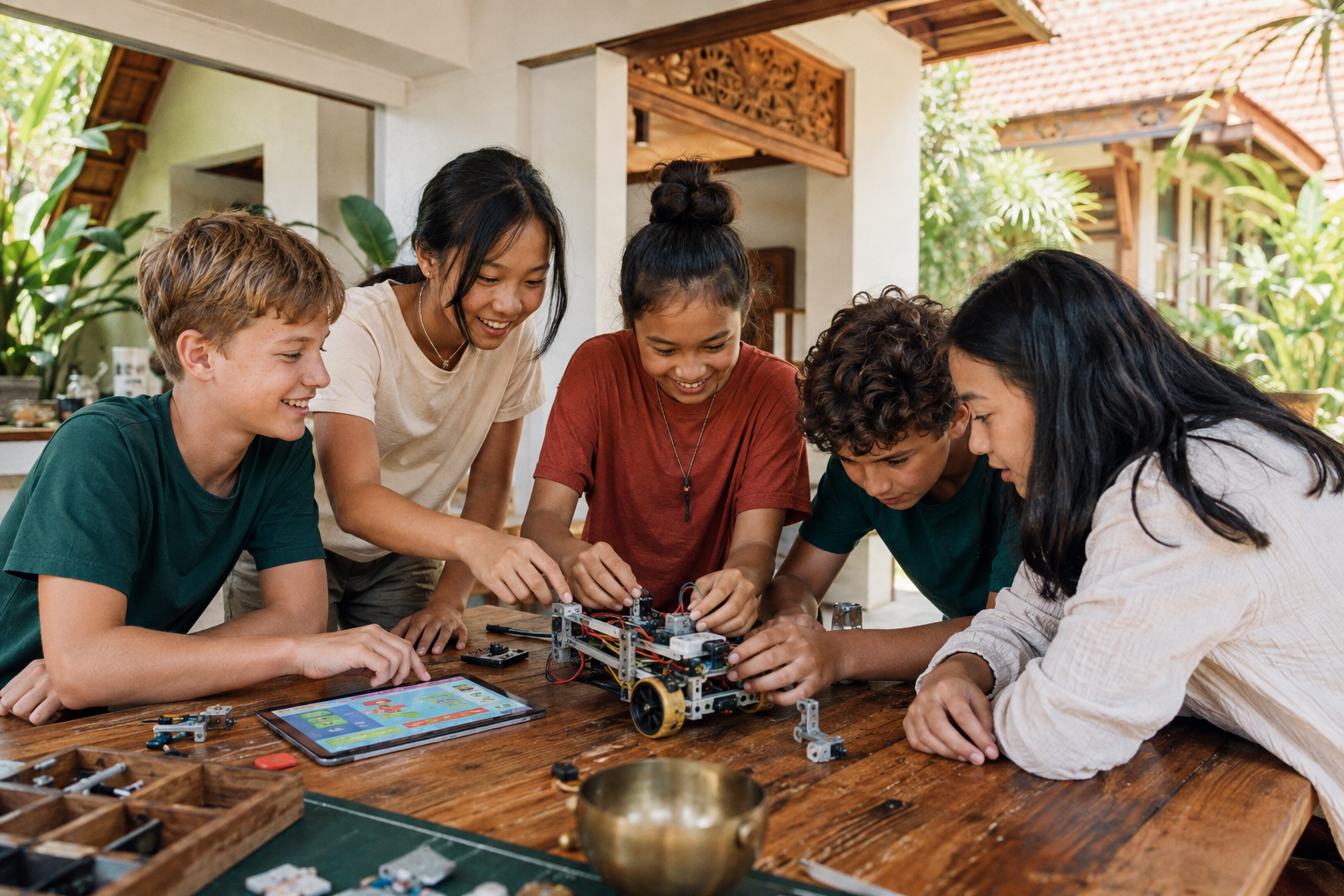
Baseline
Start with what they actually know
Mastery
Move forward when they are ready
Guides
Human motivation and accountability
Visible
Progress parents can see and measure
The structural problem
Children of the same age do not understand the same things, carry the same gaps or learn at the same pace. A group classroom has to choose one lesson and keep moving. Some children wait. Others move forward without the foundation they need.
When the lesson is too easy
Time disappears into repetition. Curiosity becomes boredom, even when the child is capable of much more.
When a prerequisite is missing
The class moves on, but the missing foundation keeps resurfacing as confusion, avoidance or inconsistent results.
Foundry starts somewhere else
Your child's education should not be limited by their age group. Foundry finds the useful next step, then lets them move when mastery is real.
The Foundry method
Establish what is secure, where the gaps are and which prerequisite is holding progress back.
Build a path around the learner's current understanding, not the grade printed on a timetable.
Practise at the right level and verify understanding before the next skill unlocks.
Use knowledge in challenges, discussion and practical work whenever the format allows.
Show families what changed, what was mastered and what should happen next.
Adaptive technology, bounded role
Foundry Atlas maps skills, identifies prerequisites and selects useful practice. It does not replace the human relationship. Guides provide motivation, accountability, encouragement, judgment and help when progress becomes difficult.
Foundry Atlas
Mathematics knowledge map
18/24
skills mapped
6
secure
23m
verified focus
Prerequisite path
updates after every check
Number sense
96%
Secure
Fraction meaning
62%
Priority
Equivalent fractions
78%
Building
Ratios
Next
Locked
Next mission
12 minA short game targets the missing prerequisite before ratios unlock. Hints support practice; a separate check verifies mastery.
Personalized by mastery
A learner might need an older prerequisite in mathematics while reading far beyond the expected level. Foundry treats that profile as normal, not as a contradiction.
Together with peers
Learners work in a small physical community with peers at a similar developmental stage. Full-day formats create more room for projects and collaboration; shorter formats keep their emphasis on academic mastery.
Progress you can see
Confidence, curiosity and independence matter. So does knowing whether your child is actually learning. Every Foundry format begins with a meaningful baseline and reports progress against it.
Your child’s report shows their starting point, skills mastered and next steps. Math, reading and English are measured separately so progress is visible and meaningful.
Starting level by skill
Gaps and prerequisites identified
Competencies securely mastered
Growth during the program
Focus and independence observations
Projects completed where applicable
Areas still being developed
Recommended next steps
The Atlas integration layer
Foundry Atlas combines diagnostics, the best-fit adaptive engine for each learning job, verified focused minutes, platform results, independent mastery checks and Guide observations. Learners see the right next mission. Parents see one subject-by-subject record.
Foundry Atlas
Mathematics
Mastery · gap closure · assessment growth
Reading and comprehension
Fluency · comprehension · vocabulary
Academic English
Listening · writing · speaking · classroom access
Learning habits
Verified focus · persistence · independence
Return on learning time
Better progress starts with better-targeted practice. Atlas directs the academic work; a Guide helps with the confidence, frustration or fear of failure that can get in the way. These subject-specific benchmarks inform our goals.
Up to 4× faster
Faster math learning
Up to four times the learning speed of a traditional math class, for adaptive mathematics from grade 4 through university. A math-specific benchmark, not a multiplier for every subject.
See the source and context1 grade level
Our After School cohort goal
We aim for one grade level’s worth of assessed skill progress over the 32-hour cohort in one agreed priority: mathematics or English grammar. Diagnostics and a conversation with your family determine which priority. This does not mean combined progress across every subject or automatic promotion to the next school year.
See the source and context2.1–3.2× growth
Literacy and comprehension
The literacy benchmark is 2.1 times expected reading growth in elementary school and 3.2 times in middle school over a school year. Measured in Lexile, with 80+ activities and at least 75% average first-try accuracy.
See the source and contextMore than 1 grade/year
Elementary mathematics
More than one grade level of math growth across a school year with approximately one hour of adaptive practice each week. A sustained-practice benchmark for elementary mathematics.
See the source and context+7 weeks/year
Reading fluency
At least seven additional weeks of reading growth across a year with approximately 30 minutes of supported reading practice each week. The focus is reading fluency.
See the source and contextAbout 2× progression
Daily adaptive practice
Approximately twice the expected progression rate with around ten minutes of daily adaptive practice. Consistency, appropriate challenge and regular review are central to the approach.
See the source and contextResearch benchmarks describe specific subjects, assessments and practice schedules. Our cohort goal is a target, not a guaranteed result. Open any figure for its source and context.
Initial age focus
9–12
Foundry's first cohorts focus primarily on children aged 9 to 12. This keeps the social and developmental environment coherent without pretending every child in that age range should study the same material.
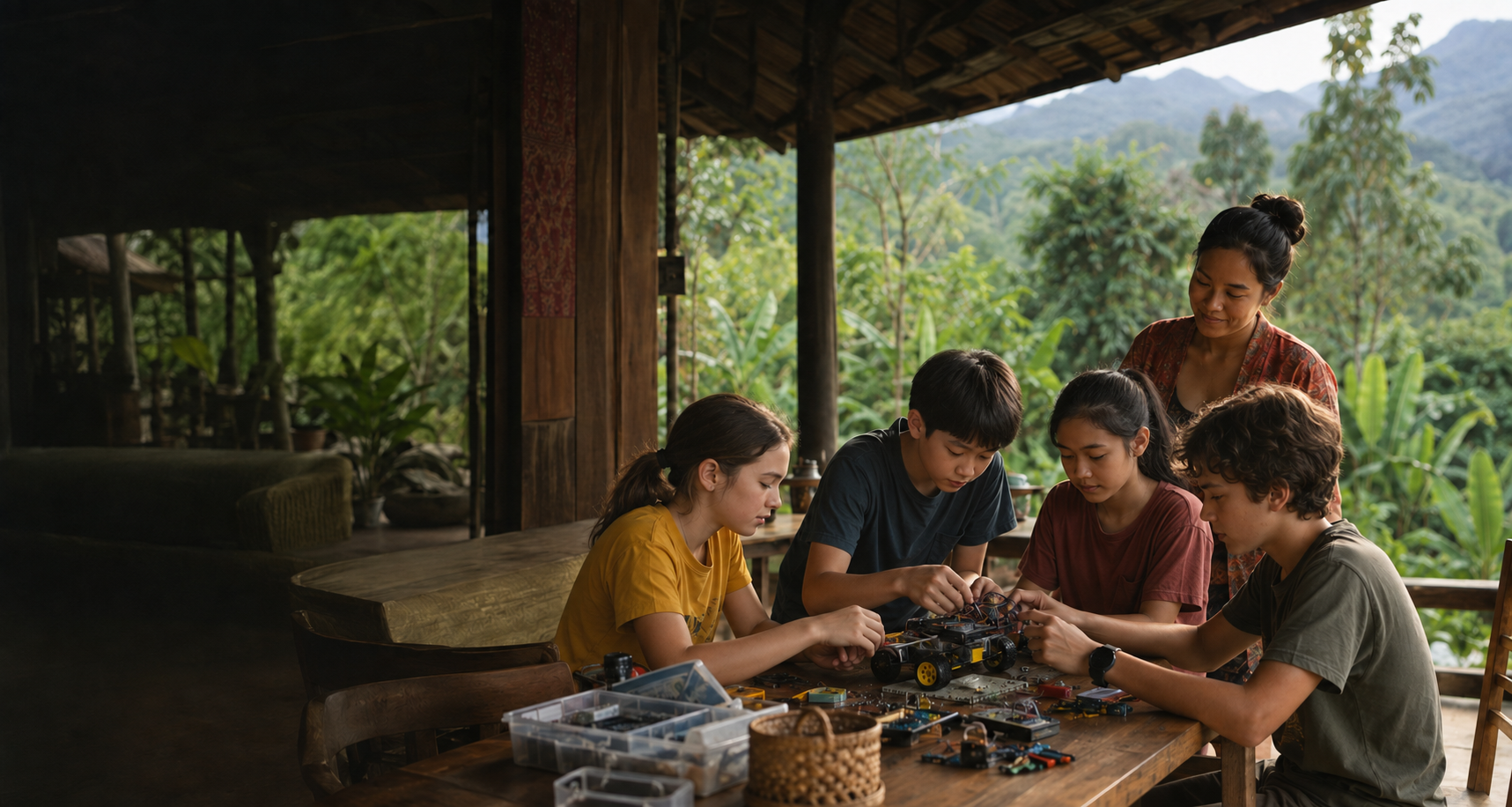
The distinction that matters
The right work depends on what the individual understands, not how old they are.
The social environment reflects a comparable stage of life, even when academic paths differ.
Foundry compared
Typical tutoring
Usually organised around a subject, lesson or upcoming test. It can help a learner keep up, but may never uncover the older gap causing the problem.
An app at home
Adaptive tools can be useful. Without structure, accountability, encouragement and peers, access to software does not guarantee consistent learning.
Foundry
A meaningful baseline reveals what the child knows. The path adapts from there, a Guide keeps progress moving and parents receive a clear next-step map.
Ages 9–12 · San Kamphaeng, Chiang Mai
The same personalized academics and human guidance. Choose your program below, then tell us which schedules work for your family. You can select more than one in the application.
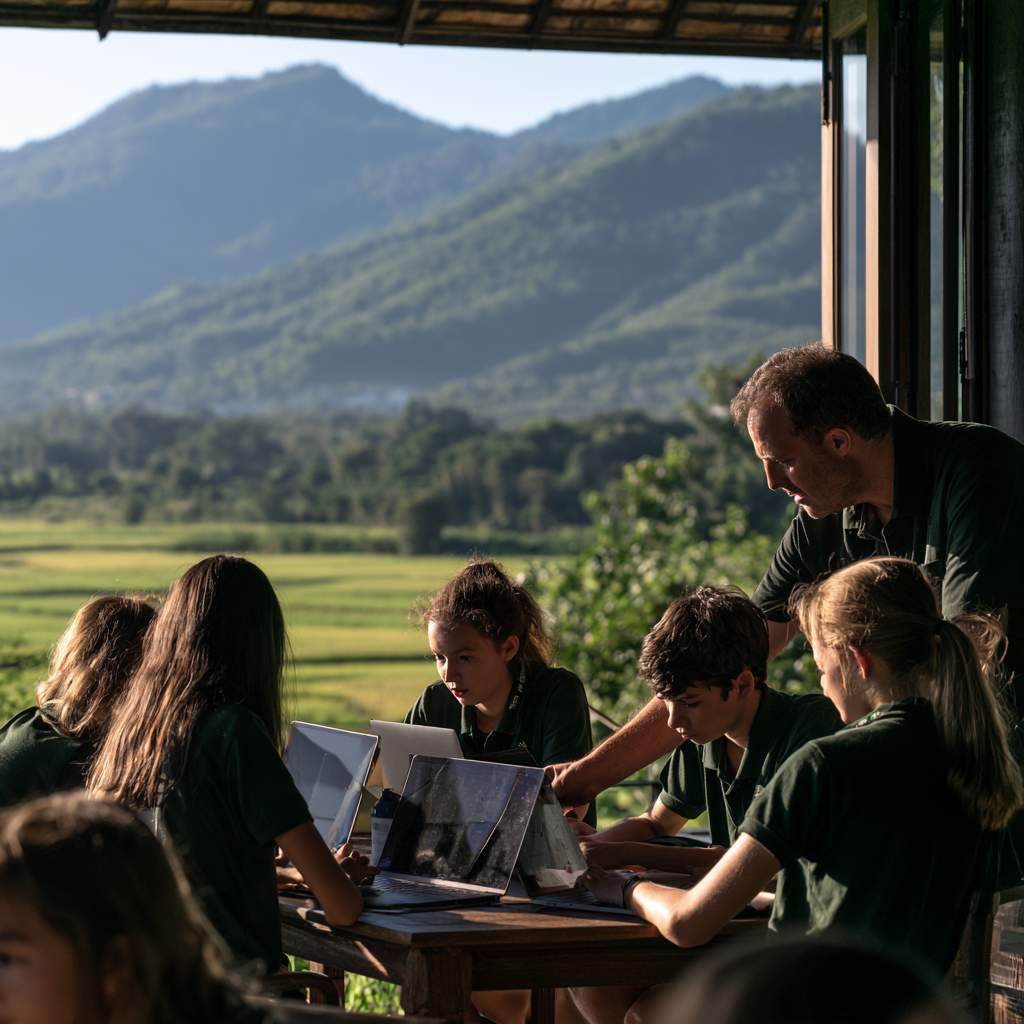
Foundry After School
Starts 6 October 2026
Tuesdays & Thursdays
4:30–6:30 PM · 8 weeks
Enrollment closes 29 September 2026
Keep their school. Change how much they get from after-school learning. Precise academics, game-like progress and a Guide who understands what is holding them back.
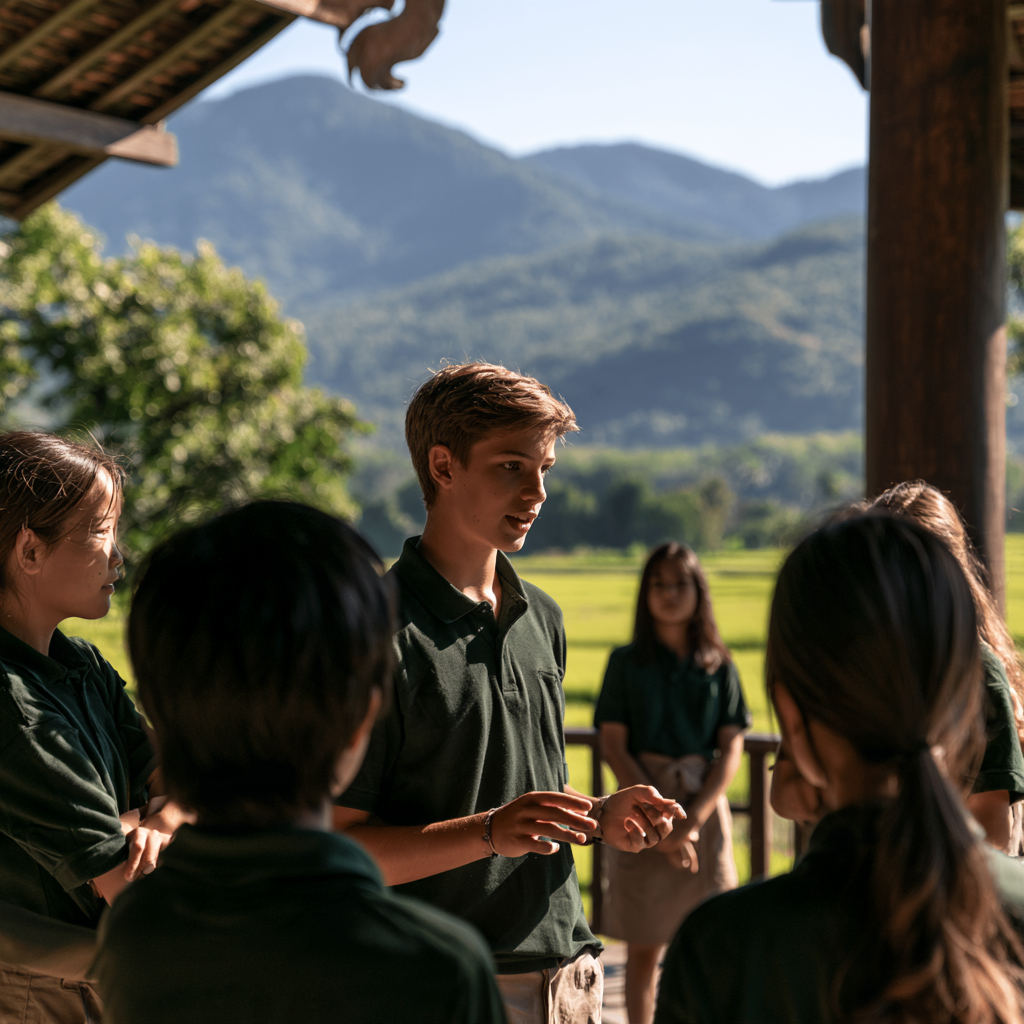
Foundry Day Studio
Founding term starts 26 October 2026
Monday to Friday
Approximately 9 AM–3 PM · 8-week terms
Enrollment closes 19 October 2026
A full-day community for homeschool, worldschool and school-transition families. Concentrated academics open up the day for meaningful work with friends.
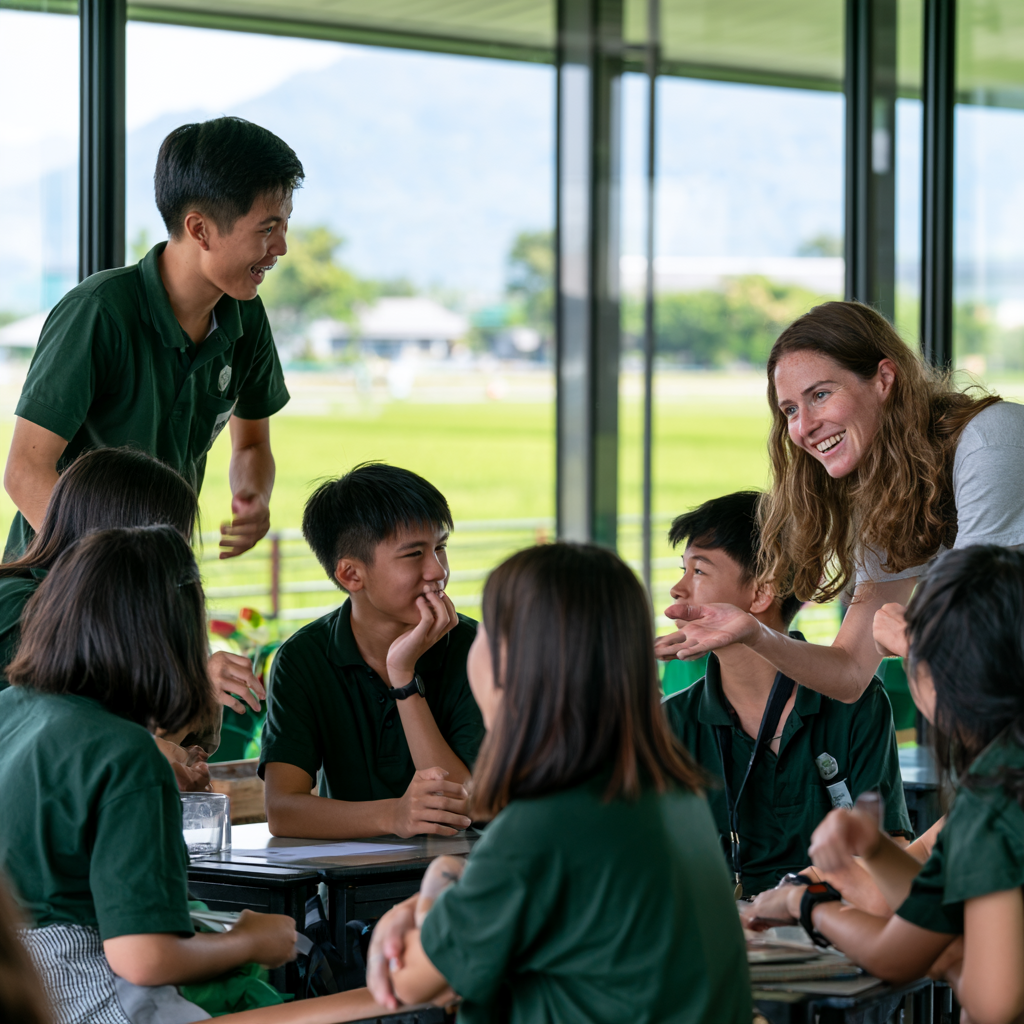
Foundry Intensives
Upcoming: 12–16 or 19–23 October 2026
Full days during school breaks
One-week and multi-week options
Enrollment closes 5 October for the 12–16 October cohort, and 12 October for the 19–23 October cohort
Summer 2027: early reservations for longer cohorts. Share your preferred dates and duration.
Personalized learning, new friendships and shared challenges throughout school breaks. Choose an October cohort or tell us about a two-week break, summer stay or other holiday you would like to use.
Ready to find your Foundry schedule?
Applying starts a conversation. We confirm dates, availability, price and reservation terms with your family before payment.
The present-day Foundry setting
Foundry's current setting combines three indoor rooms in a two-storey Lanna-style house with a garden, open lawn and traditional Northern Thai rice granary. A separate multi-use sports area is a one-minute walk away.
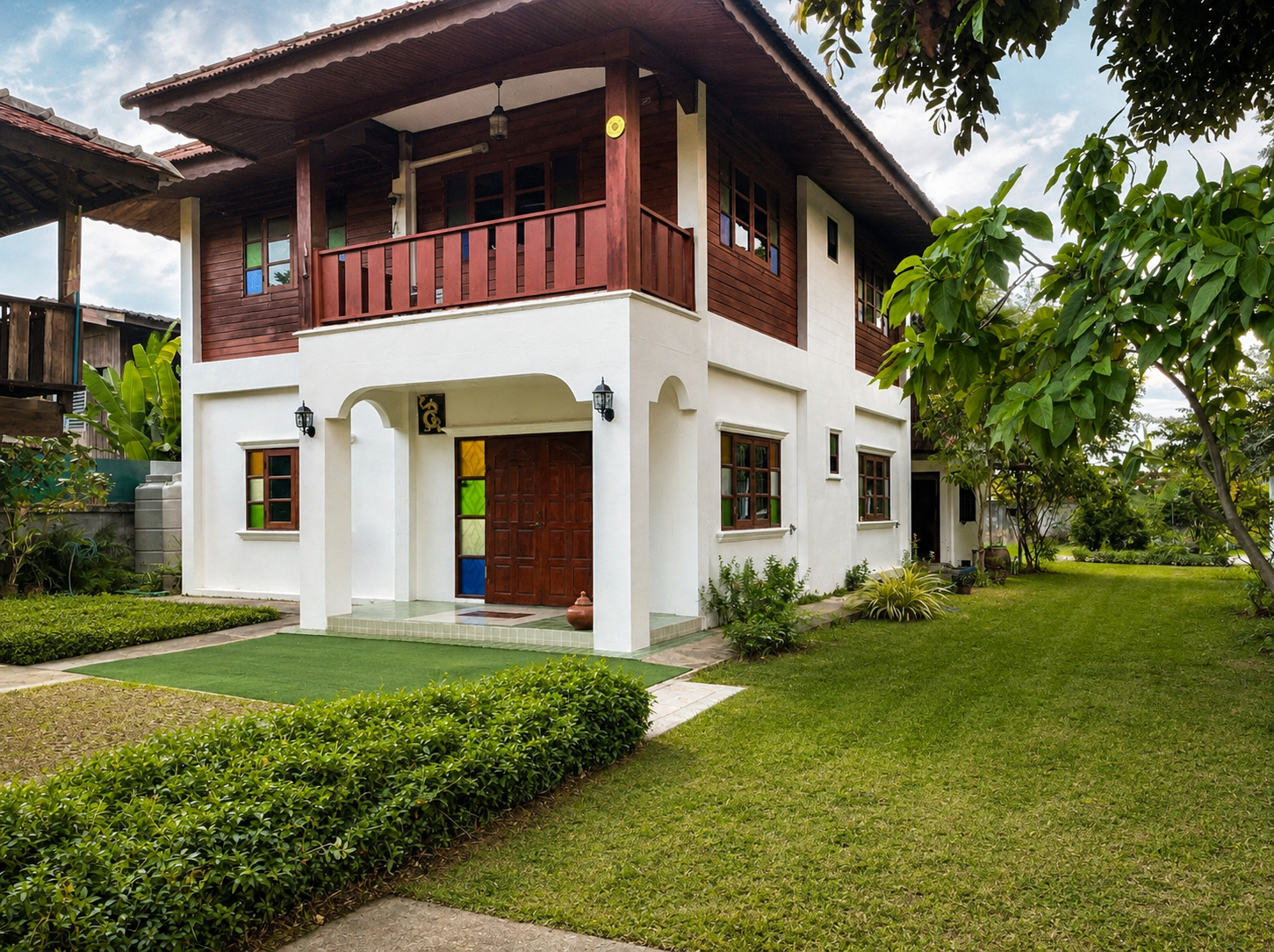
A house connected to education
According to the property's family history, this was the home of the late Ajarn Sakorn Saenkamdee, a renowned Chiang Mai University engineering professor. His family was one of Dong Khilek's established landowning families, with extensive rice fields in the area.
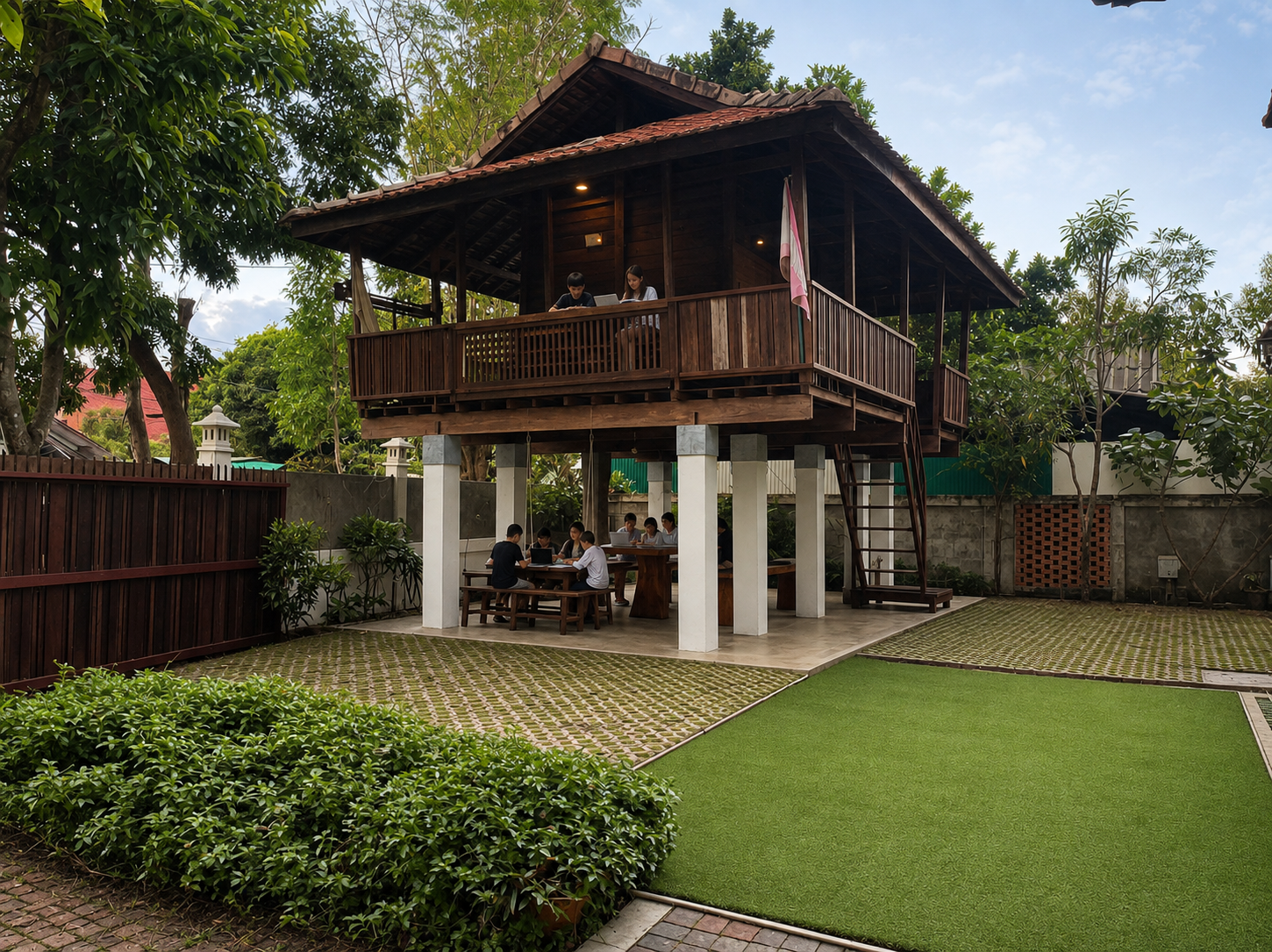
Northern Thai agricultural heritage
The raised timber granary was traditionally used to store rice after the harvest, linking it directly to the family's fields and the agricultural history of Dong Khilek. Today, the shaded level below and balcony above create two distinct places for small groups to read, plan and build.
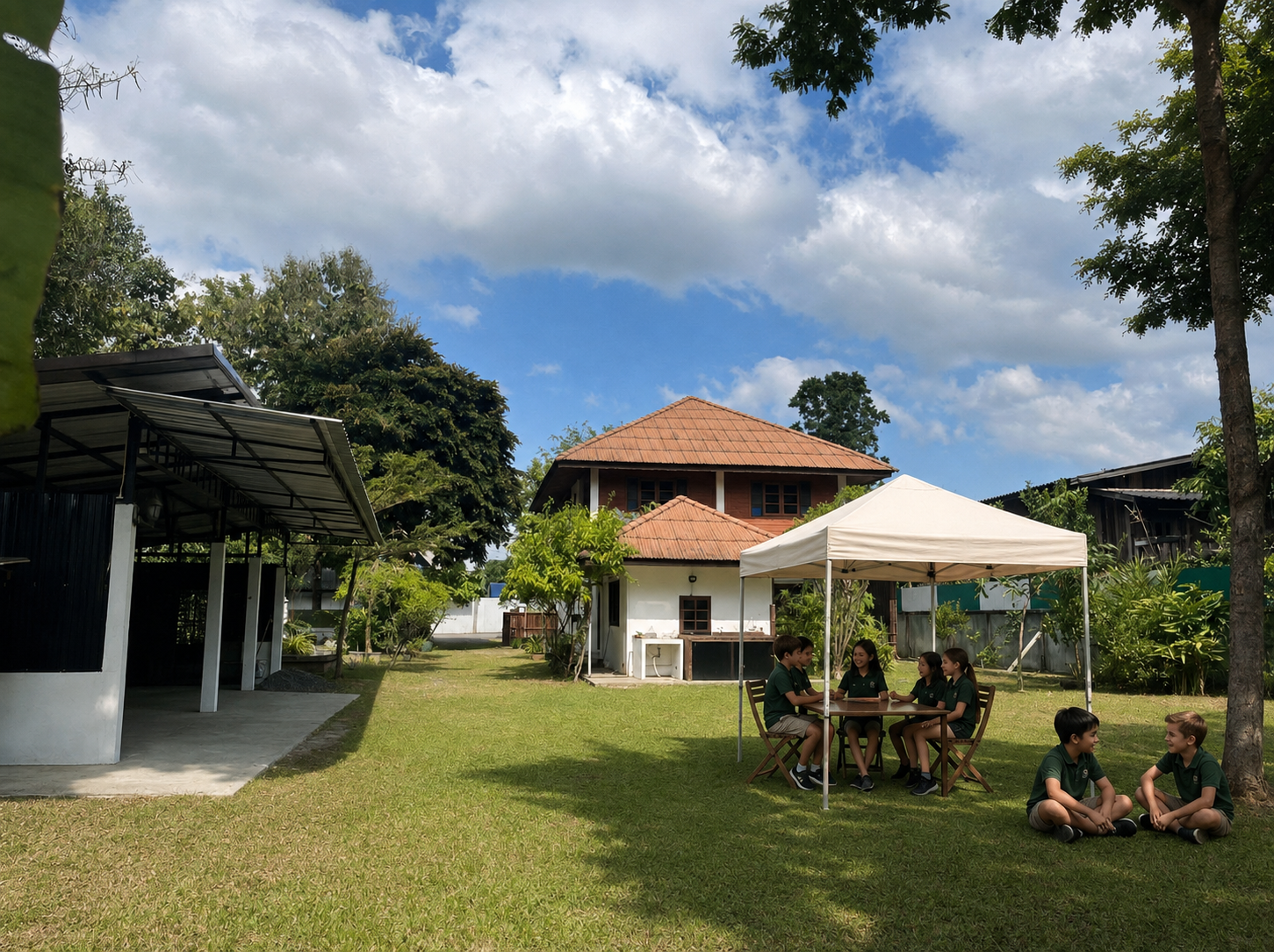
One minute away
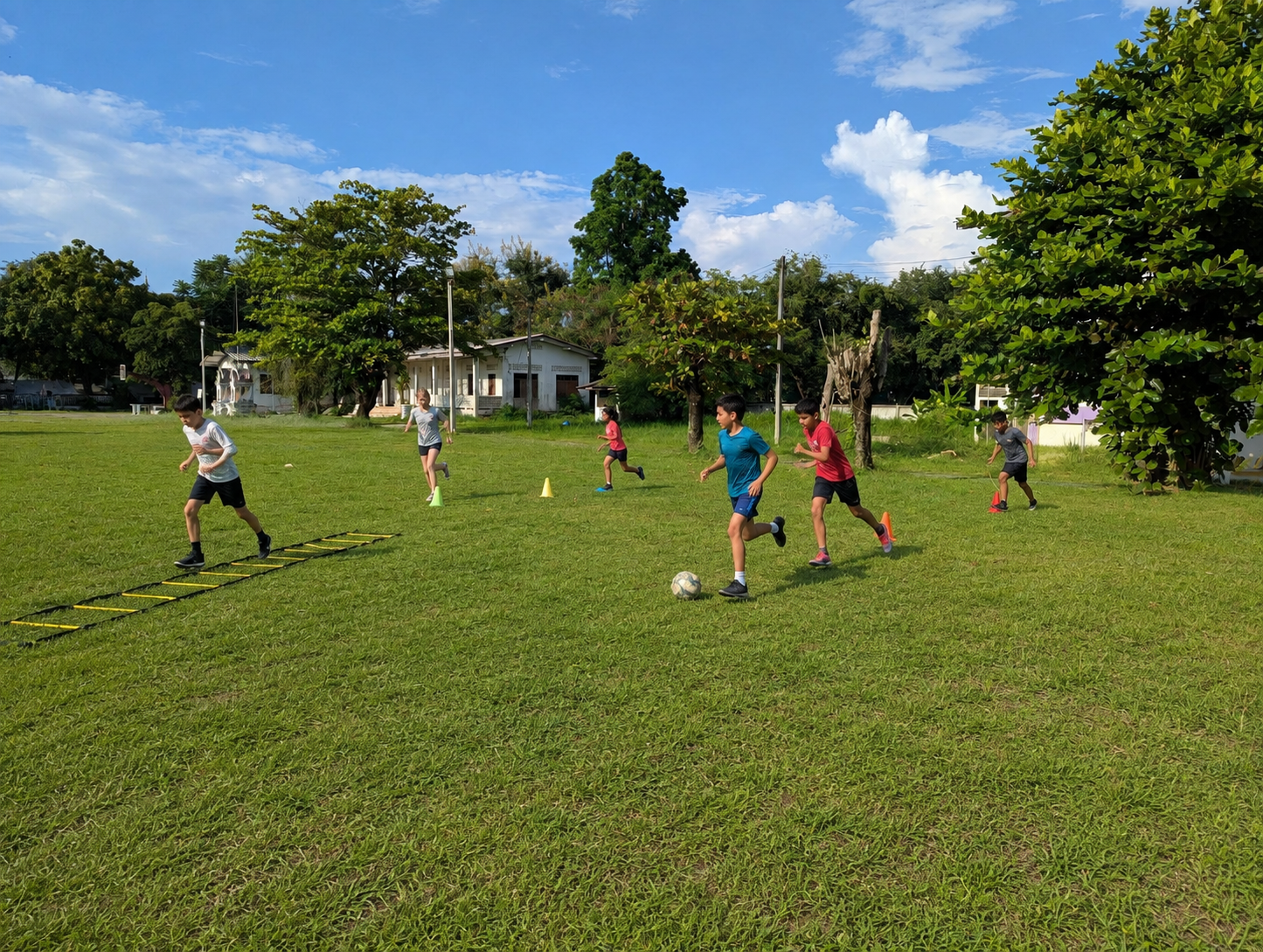
The neighboring grounds add roughly two rai of usable space for football, basketball, volleyball, badminton, strength, endurance and team games. The activity can change with the studio. The value is having enough room for young people to move together.
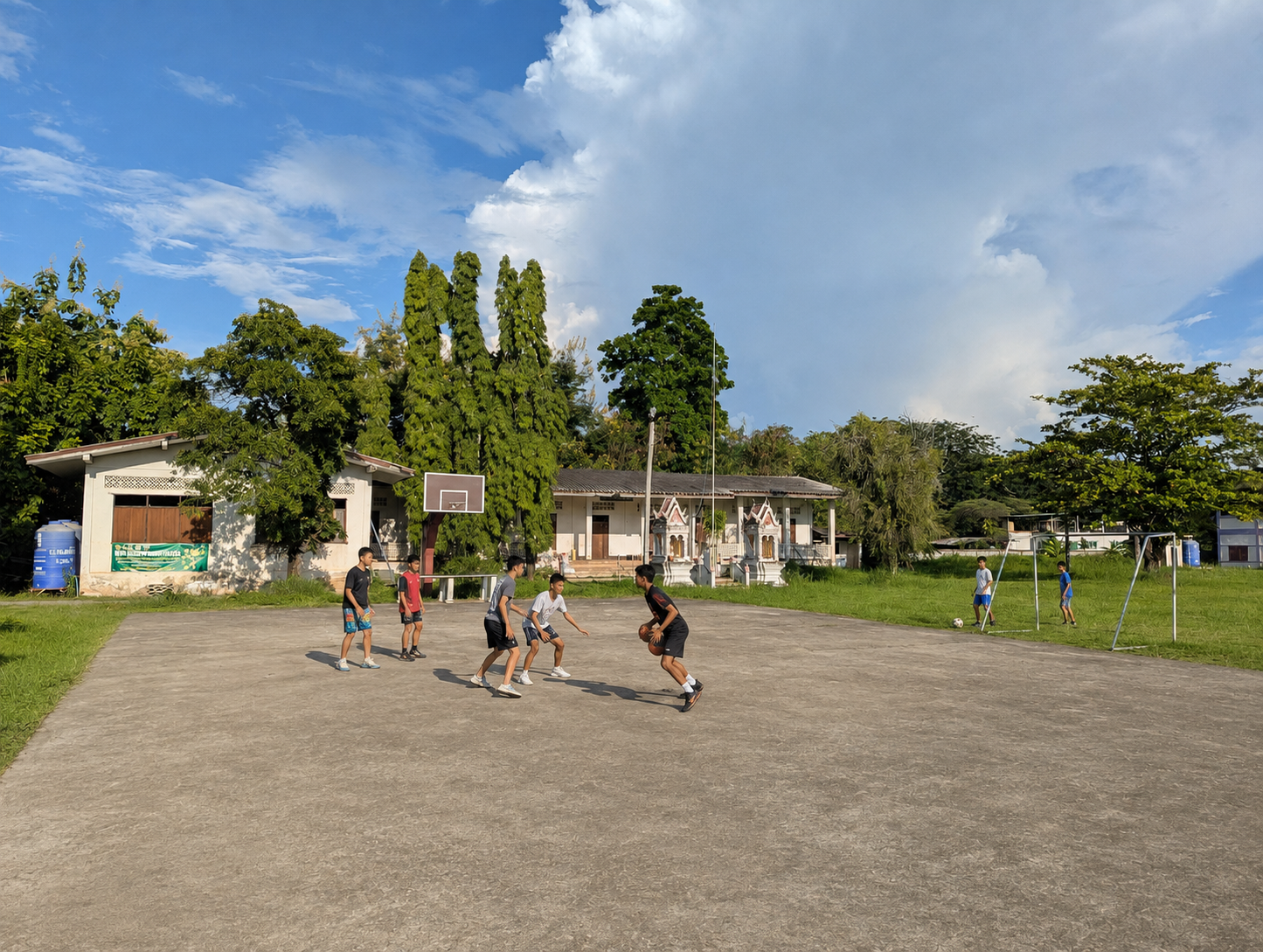
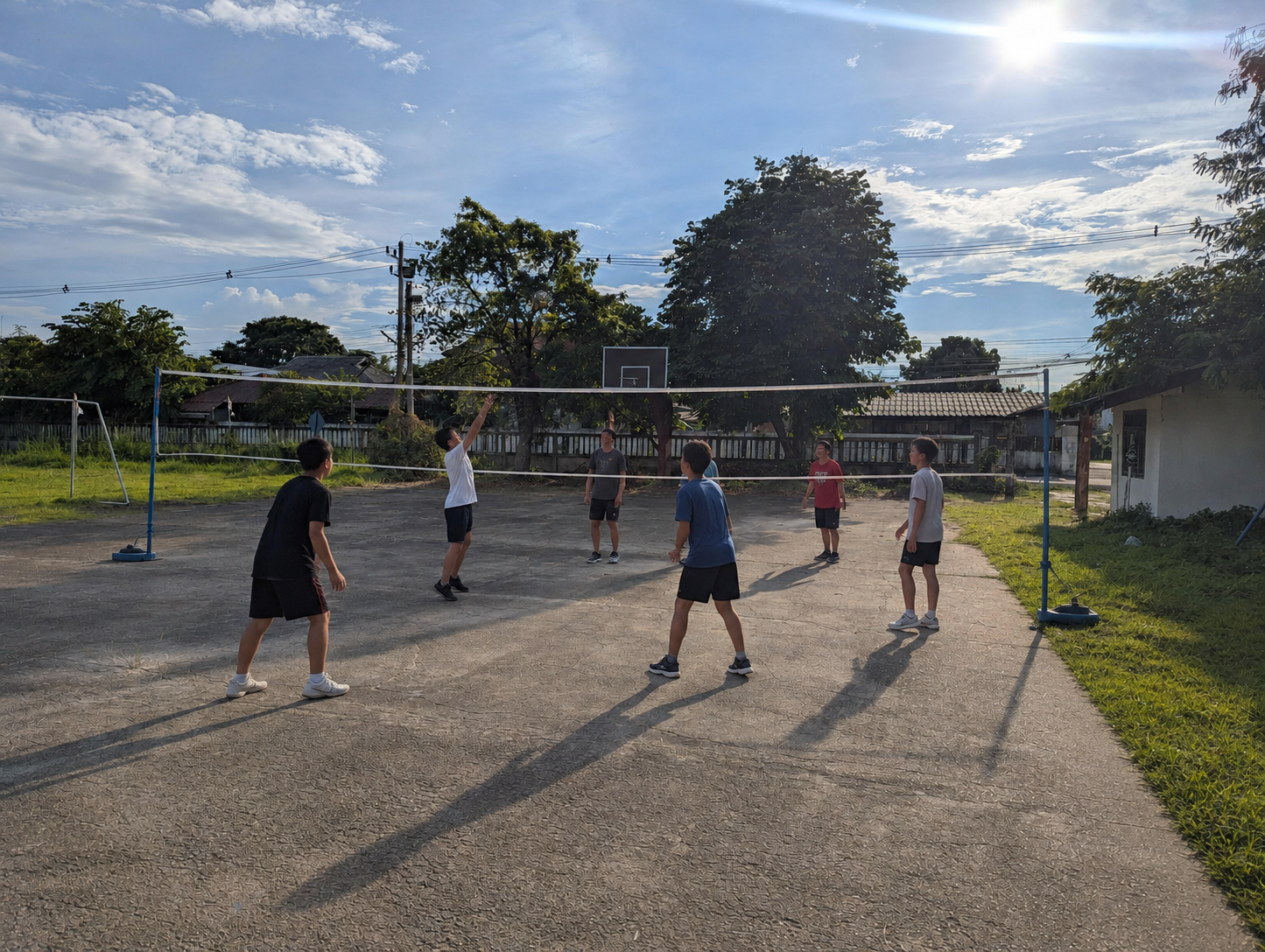
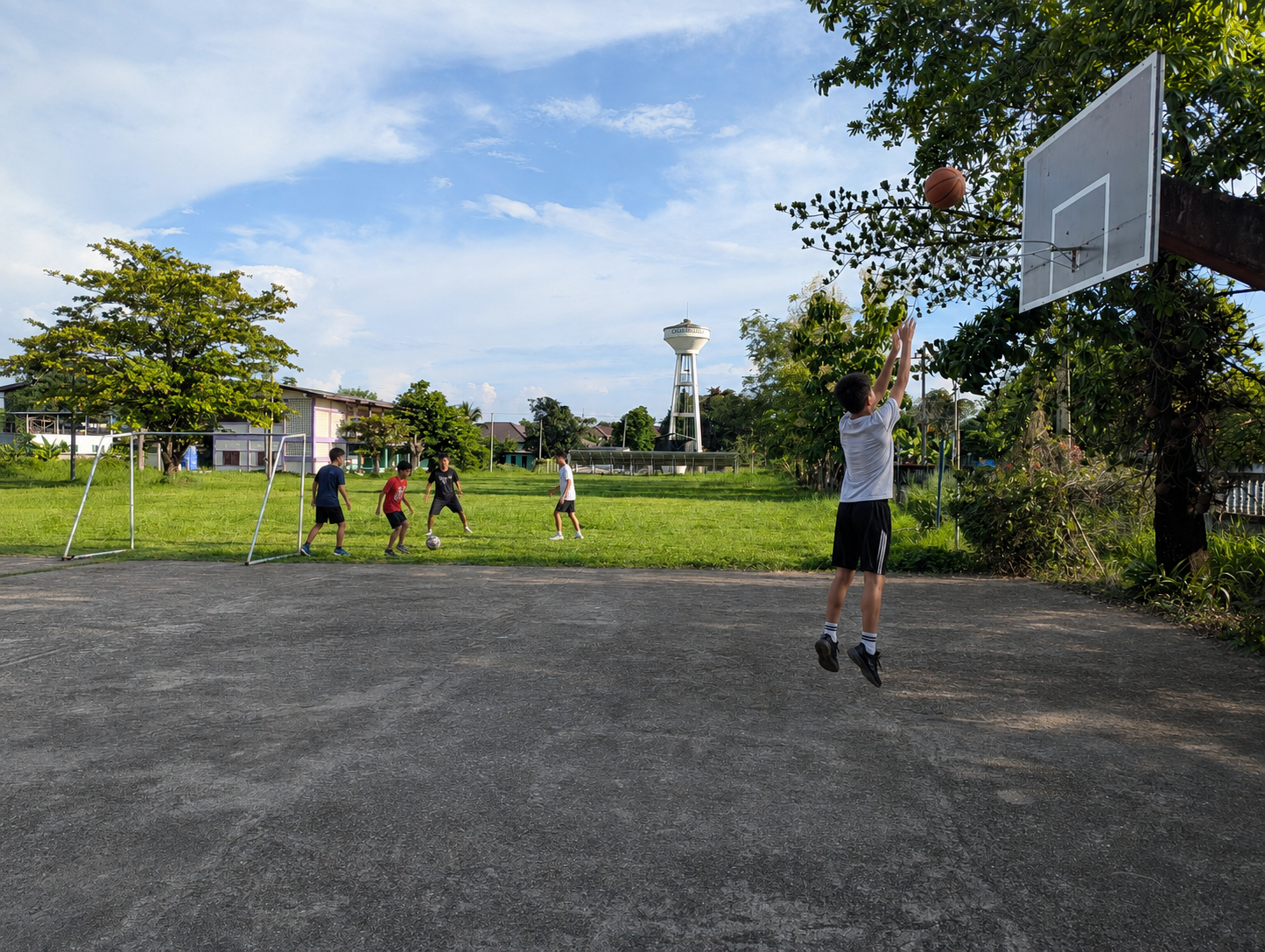
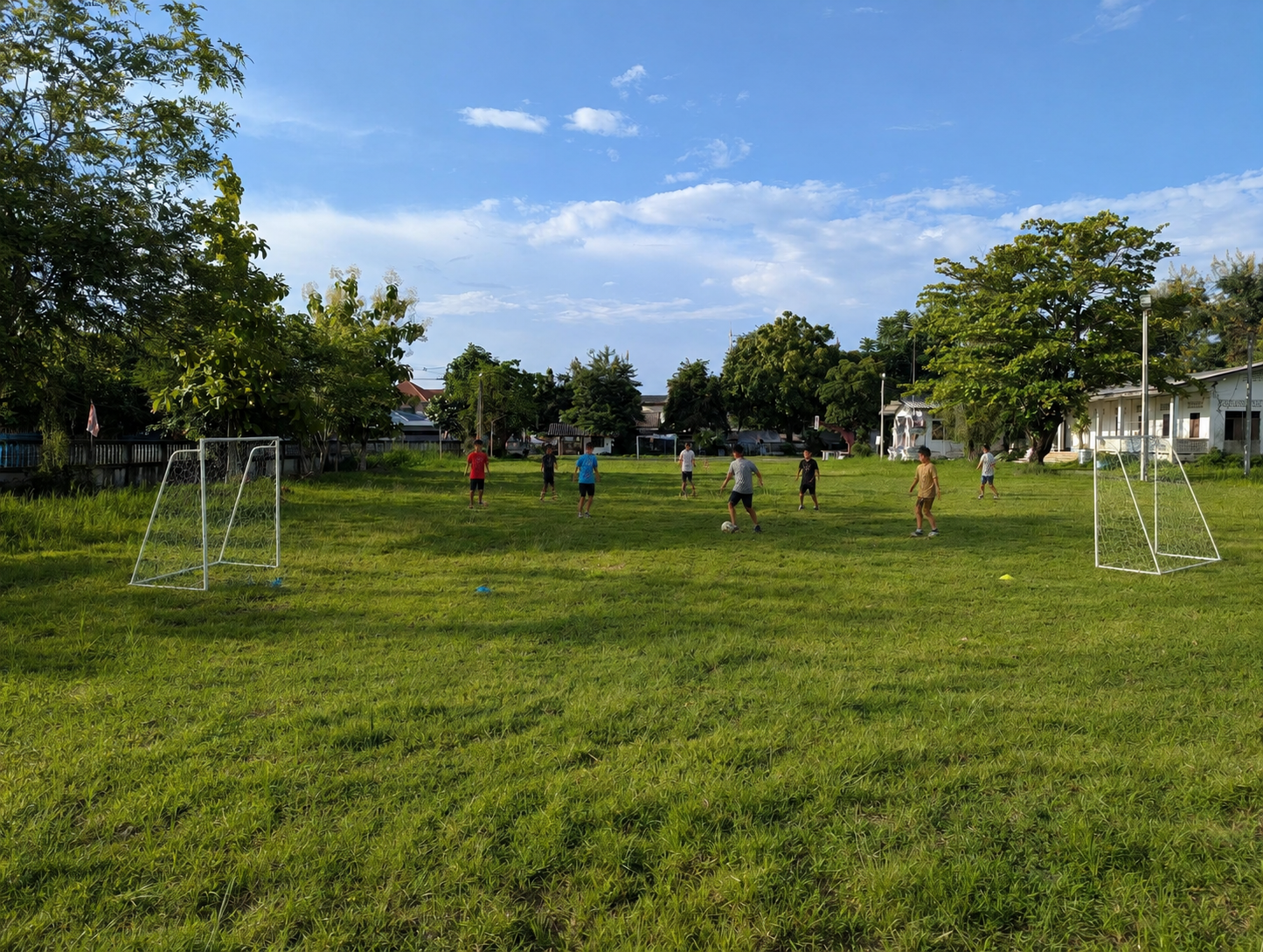
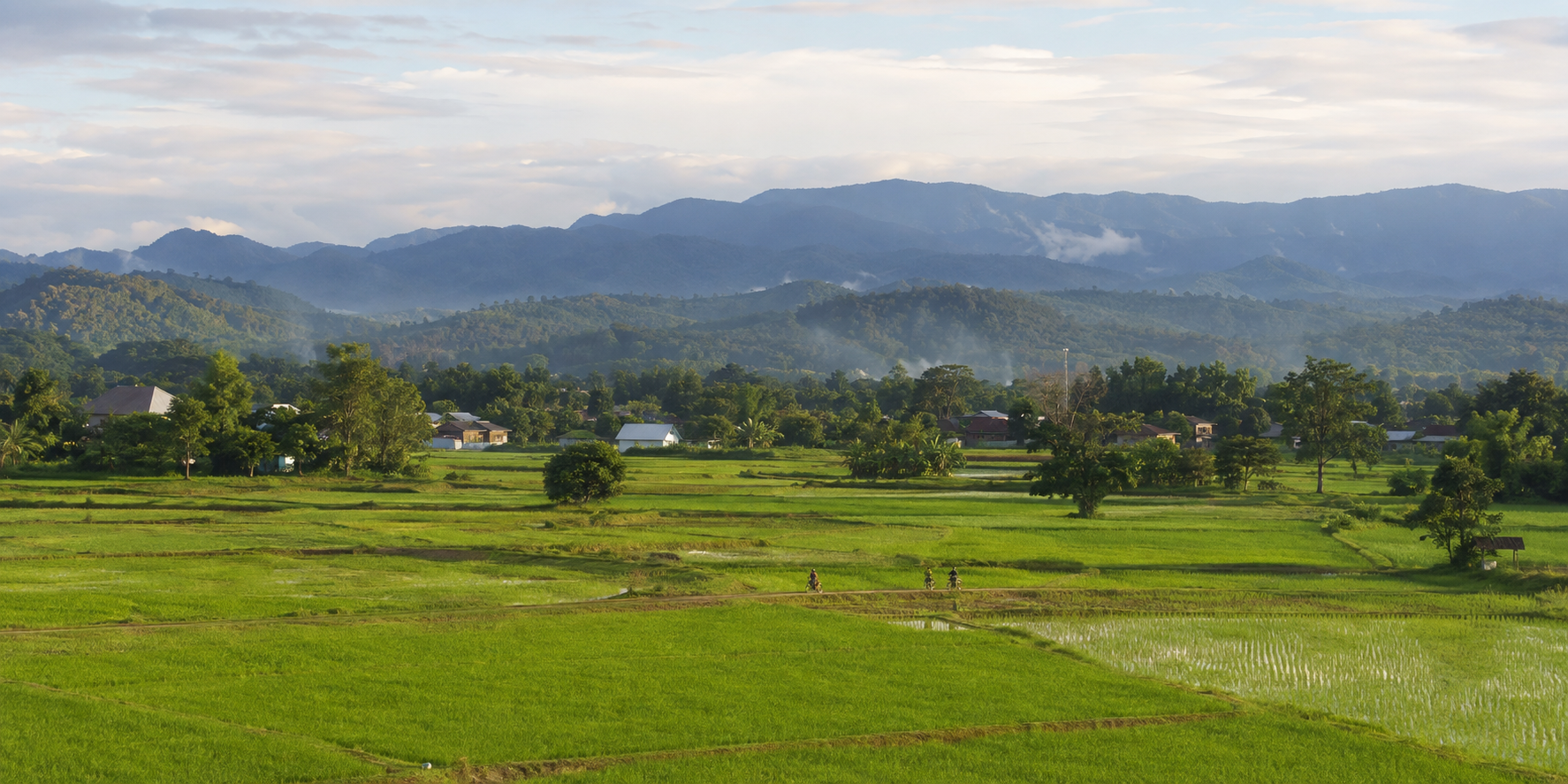
San Kamphaeng, Chiang Mai
Rice fields, village roads, gardens, open sky and views toward the eastern mountains make San Kamphaeng one of Chiang Mai's most inspiring places to focus, move and build something with others.
The surrounding area becomes part of the classroom
In full-day Intensives and Day Studio, selected outings can turn San Kamphaeng's hot springs into earth science, caves and mountain routes into geology and navigation, farms and animal care into biology and responsibility, and local craft communities into design and entrepreneurship.
Field trips are scheduled only when they serve a clear learning objective and can be delivered safely. They are not included in every cohort or After School schedule.
Planned for Fall 2027 · approximately 4 acres
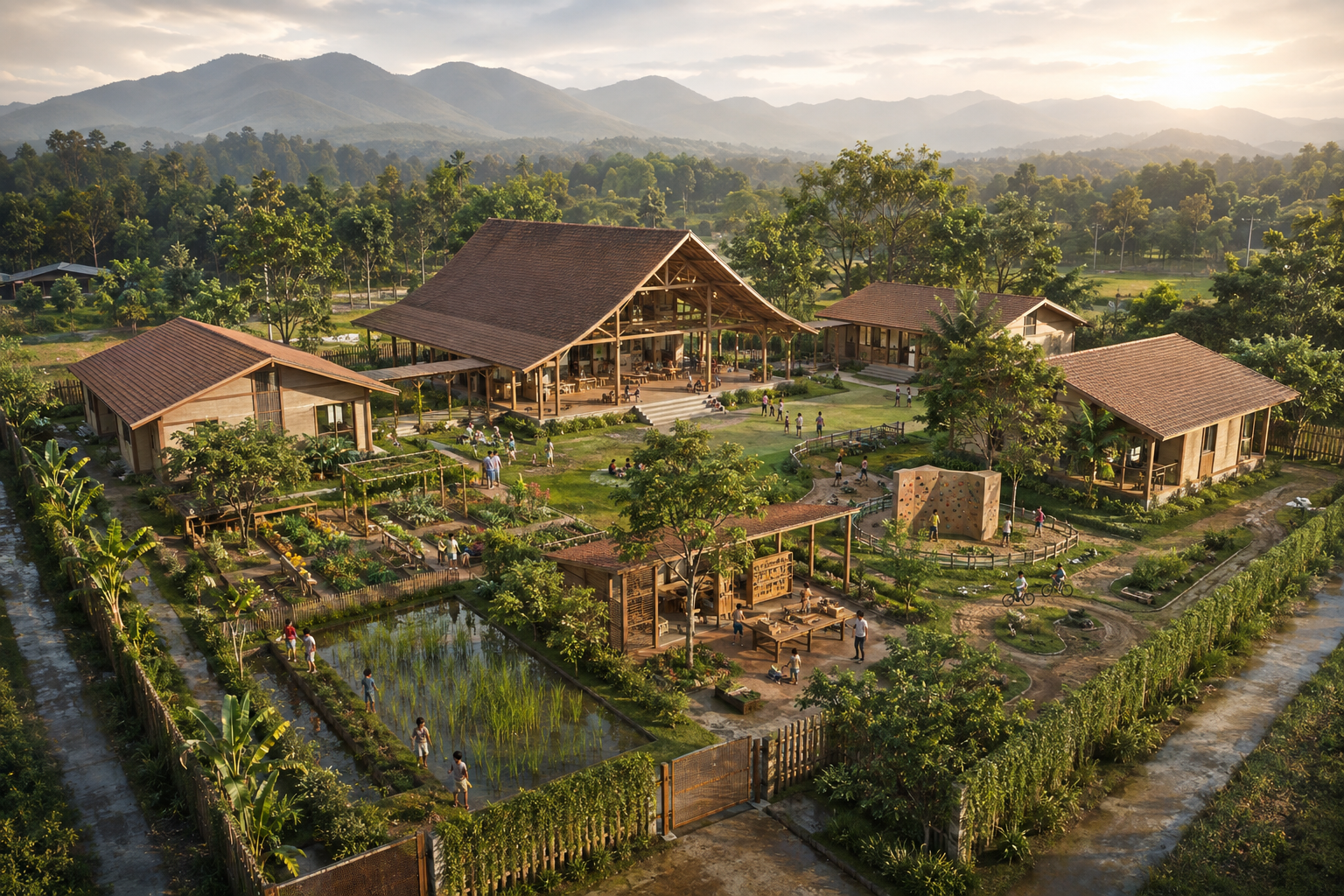
The planned next stage expands Foundry into a campus-scale learning community with dedicated studio buildings, open pavilions, cycling paths, gardens, water, a climbing wall and enough shared space for different age groups to build, move and take on ambitious challenges together.
Founding team
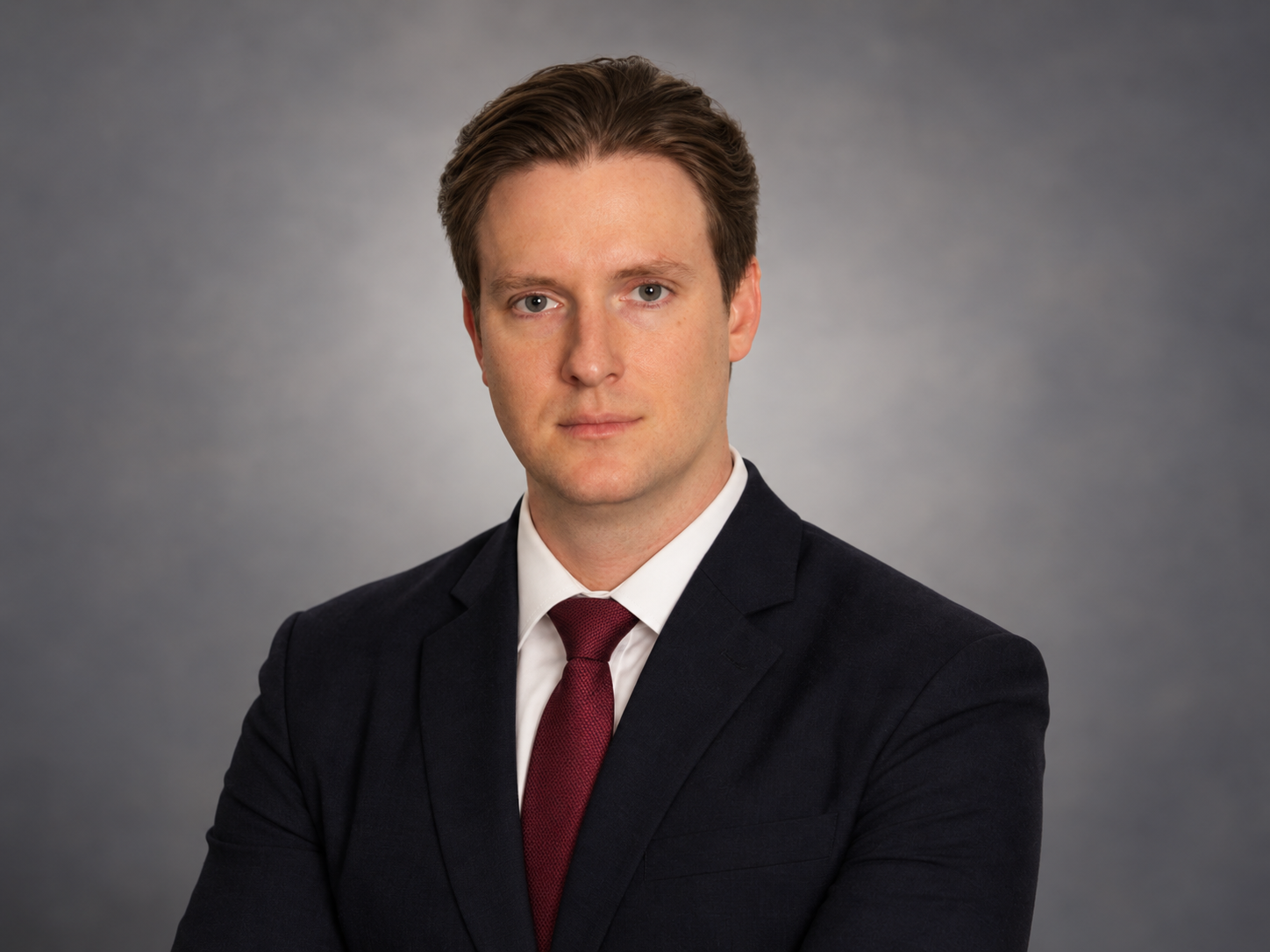
Founder · lifelong learner · serial entrepreneur
A lifelong learner and autodidact, Andrew is a serial entrepreneur and former technology operator turned investment banker. He is fluent in both English and Thai. Building companies taught him to meet failure with emotional control, curiosity and another attempt. He is applying that mindset to a new category of education in Thailand.
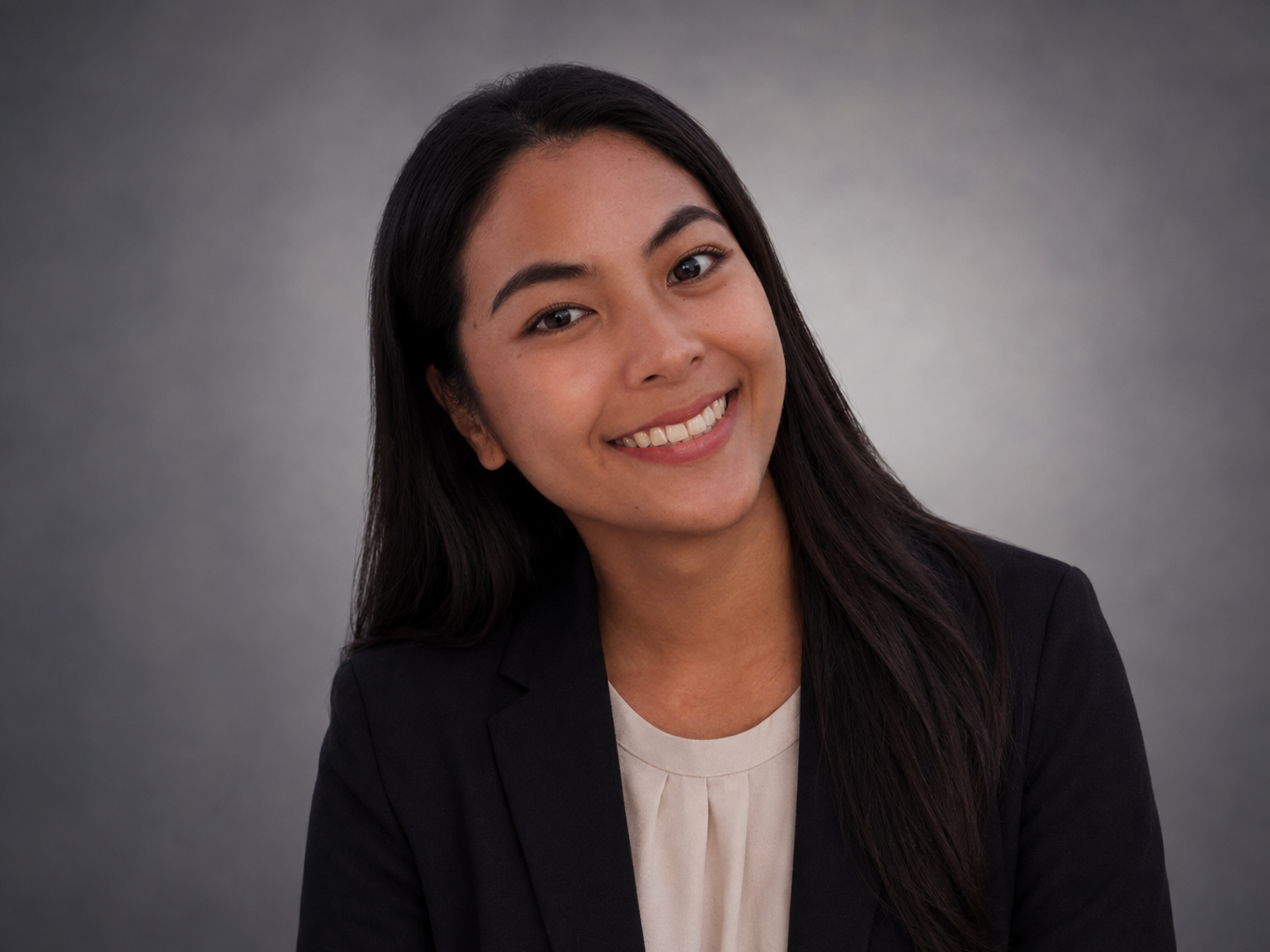
Founding team · academic excellence · international perspective
Papatsorn graduated first in her class at Chiang Mai University. She has lived in the United States and is fluent in both English and Thai, bringing local understanding and an international perspective. She went straight from university into Foundry's mission to fix private education by making learning more personal, measurable and effective.
Motivation · emotional insight · accountability
Foundry Guides are a deliberately diverse team chosen for their ability to motivate people, understand emotions and uncover the blockers behind stalled progress. Building a new approach to education meant looking beyond a conventional staff room. We wanted people from different backgrounds who have driven real results by earning trust, regulating pressure and helping others act, recover and persist.
Advisory board
Guidance on learning, motivation and the opportunities young people will grow into.
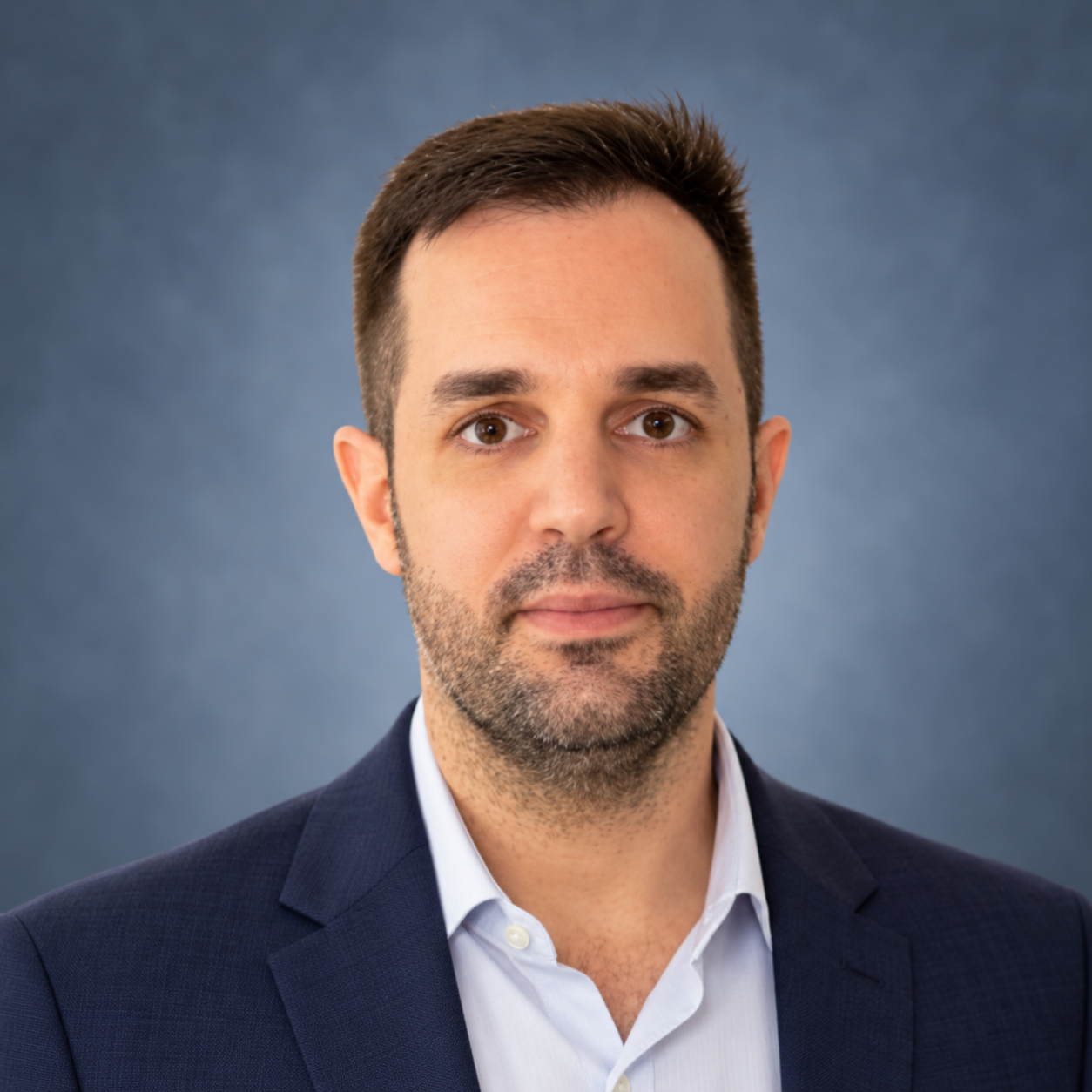
Former Deputy Head of School - BCIS
Ronan has served as Deputy Head of School at British Concordance International School in Chiang Mai. He holds a Master of Education from Liverpool John Moores University. Across 11 years in international education in China, Thailand and Japan, he has led admissions, language and ESL programs while shaping curriculum strategy and whole-child development. Fluent in English, French and Chinese, he advises Foundry on school leadership, academic excellence and helping learners thrive across cultures.
Area of expertise
A short introduction to their background and the perspective they bring to Foundry.
Area of expertise
A short introduction to their background and the perspective they bring to Foundry.
Area of expertise
A short introduction to their background and the perspective they bring to Foundry.
Area of expertise
A short introduction to their background and the perspective they bring to Foundry.
The Foundry Parent Guide
Hidden gaps
A child can look fine on paper while one missing prerequisite quietly makes every new topic harder.
Read articleAI and education
Information is abundant. A well-sequenced path, honest practice and the motivation to persist are not.
Read articleLearning efficiency
Leading adaptive platforms report unusually strong outcomes because they spend each minute on what the learner is ready to master next.
Read articleStraight answers
Foundry is a personalized learning environment available through several schedules. The Day Studio can function as a full-time alternative for some families, while After School and Intensives complement an existing school. Foundry is not currently an accredited school.
Yes. Foundry After School and Foundry Intensives are specifically designed for children who remain enrolled in their current school.
The full-day Day Studio may suit homeschool, worldschool, online-school and school-transition families seeking a primary daytime learning environment. Families remain responsible for meeting any applicable education requirements and should discuss their situation with us before reserving.
The founding Day Studio term starts on 26 October 2026. It runs Monday to Friday, approximately 9am to 3pm, with 2 hours of Foundry Atlas each day. Begin with eight weeks of personalized academics, projects, movement, lunch and peer collaboration, with the option to renew.
The eight-week After School cohort starts on Tuesday 6 October 2026. Sessions run every Tuesday and Thursday from 4:30 to 6:30 PM: 16 sessions and 32 guided hours in total.
Initial Day Studio and After School offers may use flexible eight-week terms. Intensives use shorter full-day blocks during school breaks. The method stays consistent even when the schedule changes.
A full-day intensive combines a focused personalized mastery block with projects, experiments, movement, practical problem solving and work with peers. The exact challenge depends on the cohort and available time.
English Bridge is a Foundry pathway for academically capable children who are not yet ready to learn confidently in English. The Learning Profile separates academic understanding from reading, writing, speaking, listening and classroom-language needs, then builds both without automatically lowering the academic level.
English Bridge can operate through selected after-school, school-break or daytime schedules when a suitable small cohort is confirmed. The application collects the schedules your family could use, and Foundry confirms dates only after minimum enrollment is reached.
No. Tutoring usually begins with the subject or material school is teaching now. Foundry begins with a diagnostic of what the learner actually knows, identifies underlying gaps and builds a mastery path from there.
Foundry uses screens deliberately when adaptive technology is the best tool for individualized practice. In full-day formats, screen-based mastery is only one part of a day that also includes movement, discussion, making and collaboration. A shorter After School session may appropriately devote a larger share of time to personalized academic technology.
Adaptive technology helps map skills, identify prerequisites, select useful practice and respond to performance. It is not an open-ended chatbot replacing a teacher. AI is infrastructure for personalization, not the product families are buying.
Foundry Guides are a diverse team selected for their ability to motivate people, understand emotions and uncover the blockers behind stalled progress. We did not limit the role to conventional teaching backgrounds. Guides bring different kinds of real-world experience, build trust and help each learner focus, recover from setbacks and produce real results.
Foundry begins with skill-level diagnostics and observation. A child may be at different levels in different subjects, which is expected. The useful question is what is secure, what is missing and what they are ready to learn next.
Families receive clear information about the starting level, identified gaps, competencies mastered, areas of improvement, focus and independence, completed projects where applicable and recommended next steps. You should not have to guess whether it is working.
The initial Foundry cohorts focus primarily on ages 9 to 12. Academics are personalized by mastery, while children learn and build alongside peers at a similar stage of life.
Age does not determine the academic task. Foundry can close an older prerequisite gap in one subject while allowing the same child to move ahead in another. Social grouping remains developmentally appropriate.
Foundry cohorts are intentionally small. Upcoming dates are confirmed once founding enrollment is in place. The application lets families select every format and date range they would genuinely consider.
Apply with the formats and dates that work for your family. We will discuss fit, availability and the relevant reservation terms before any payment. Confirmation conditions, refunds and transferability will be stated clearly in writing wherever payment is requested.
Founding place application
Select every format and date range you would genuinely consider. Applying starts a fit conversation and does not commit you to enrolling or paying.
San Kamphaeng, Chiang Mai, Thailand